Skip to content
tarot card collection
El Gran Tarot Esoterico
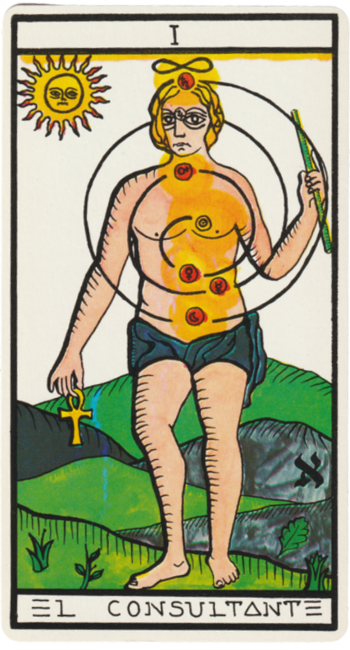
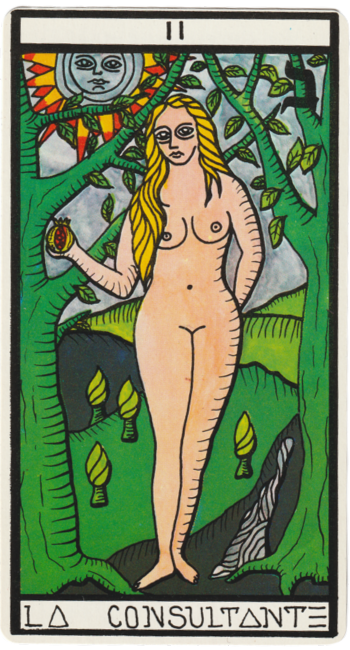
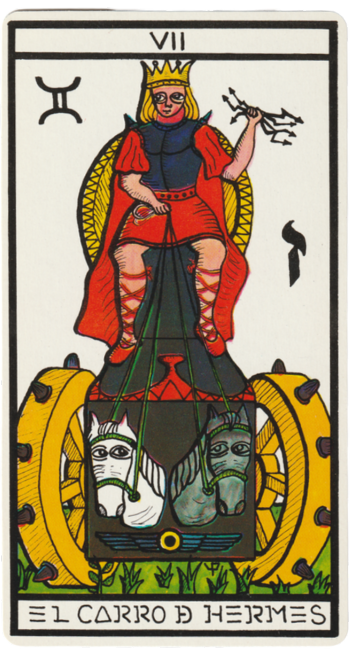
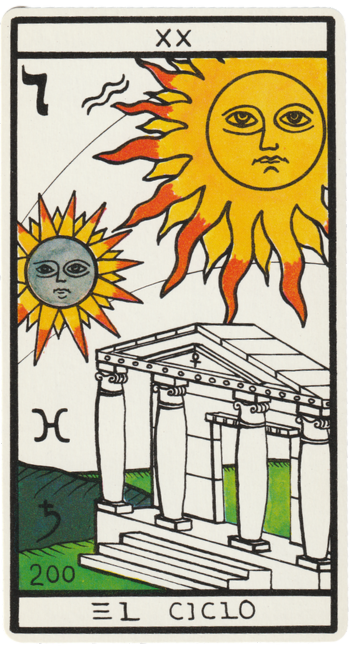
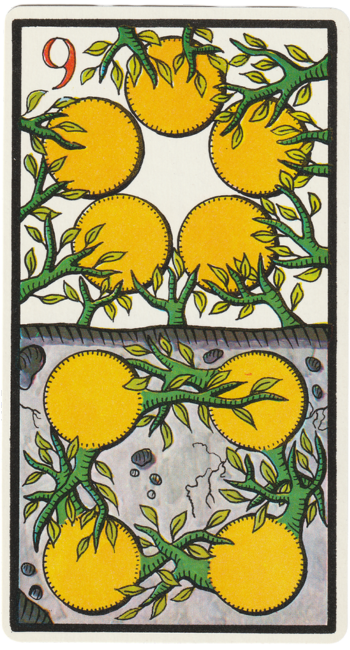
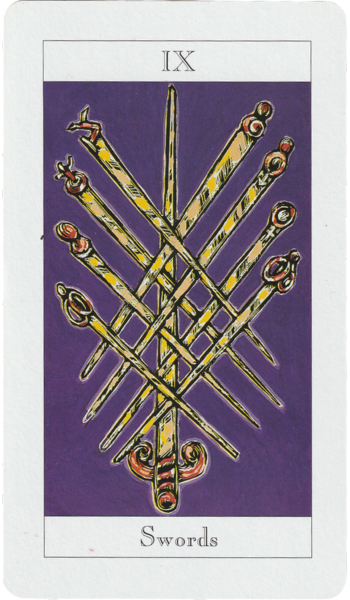
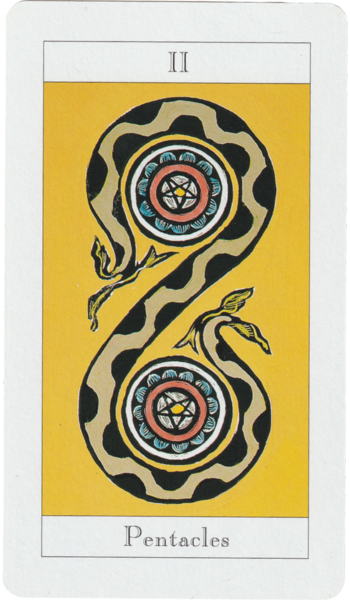
A Spanish deck first published by Heraclio Fournier cards in 1978. Designed by Maritxu Guler and Luis Peña Longa. Unusually, the elements of this deck are switched: wands are fire; cups are air; swords are water; pentacles are earth. I picked this up at a flea market in Barcelona, and it has become my favourite deck of all, the designs are just so beautiful and strange.
Jonathan Dee Tarot
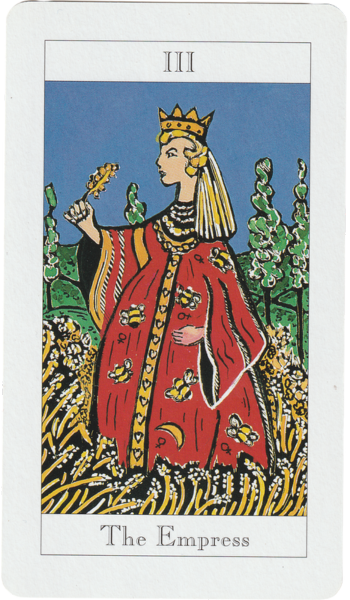
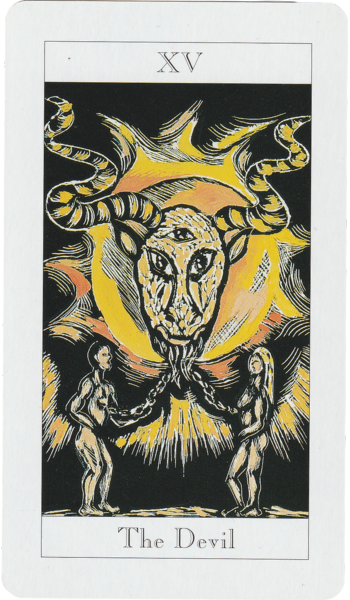
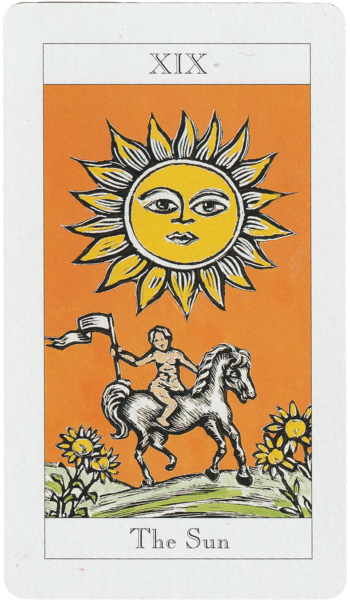
Published in 2001, artwork by Shirley Barker. The illustrations are in a wooblock print style, and the colours are vivid. It's a Marseilles-like deck so the pips aren't illustrated but beautiful nonetheless. This deck was a gift from a friend who first piqued my interest in tarot, so it's particularly special.
Rider–Waite Tarot
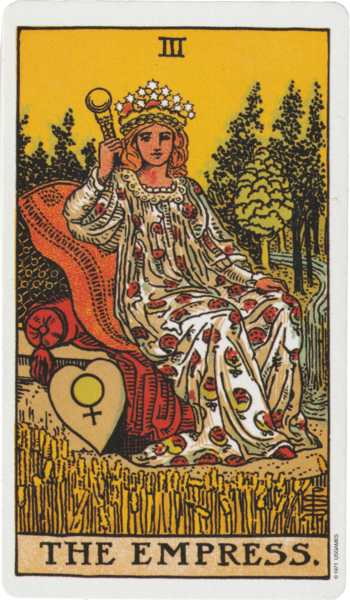
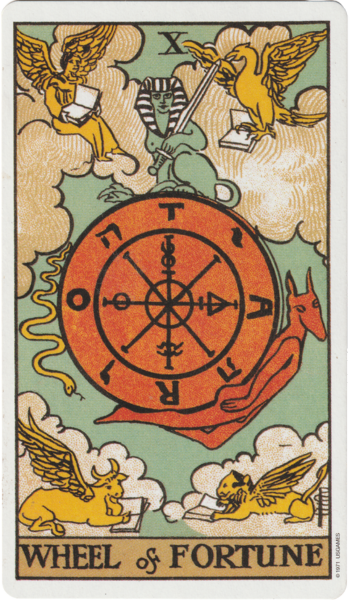
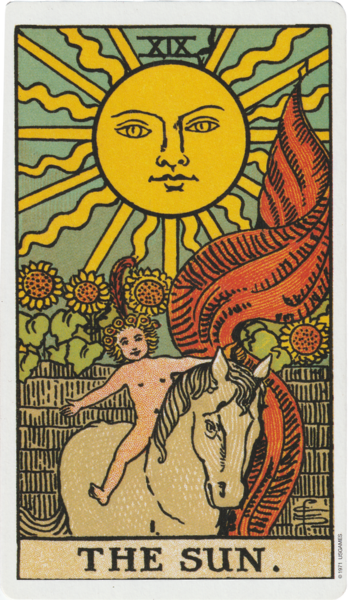
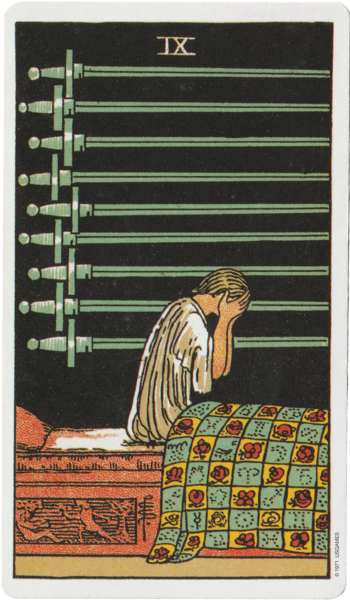
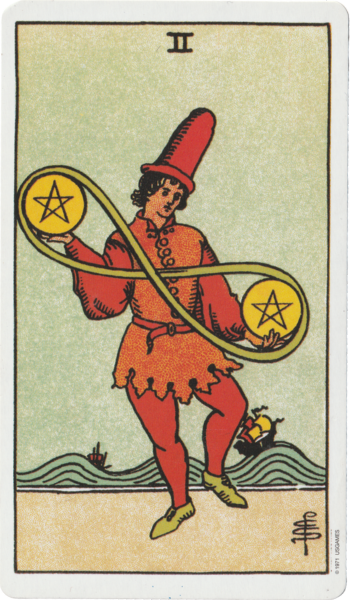
The most recognisable deck, first published by William Rider & Son in 1909. Illustrations are by Pamela Colman Smith, based on instructions by the mystic A. E. Waite. It had a huge influence on tarot, being the first to include full illustrations for all 56 minor arcana cards. It also deviates from Marseilles decks by switching the sequence of Justice and Strength (so that Strength corresponds with Leo and Justice corresponds with Libra). It's a perfect capsule of Victorian-era ideas around occult matters - particularly the abundance and blending of symbols from astrology, Jewish mysticism, and Egyptian mythology. It was my very first deck, and remains the one I reach for most!
Golden Tarot of Botticelli
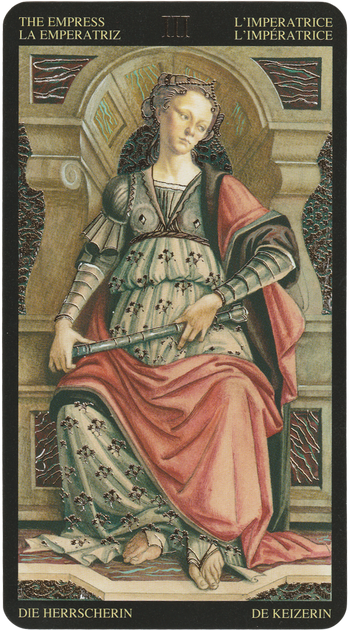
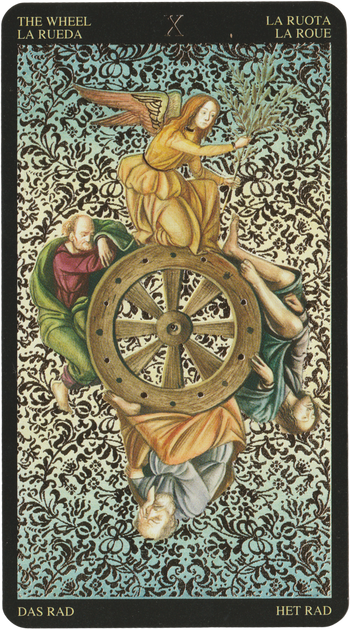
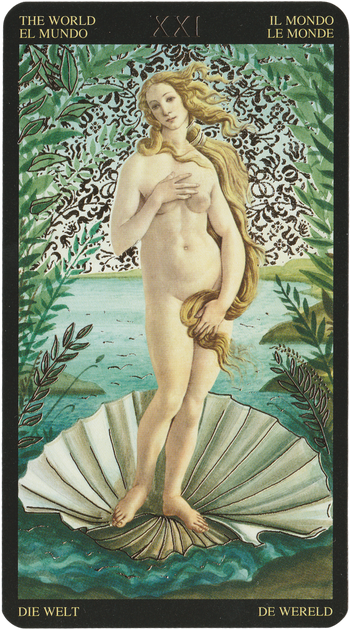
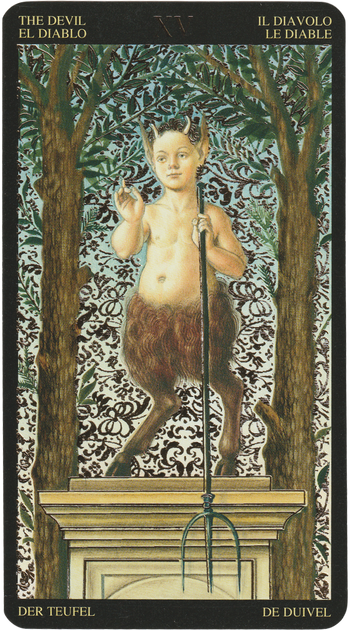
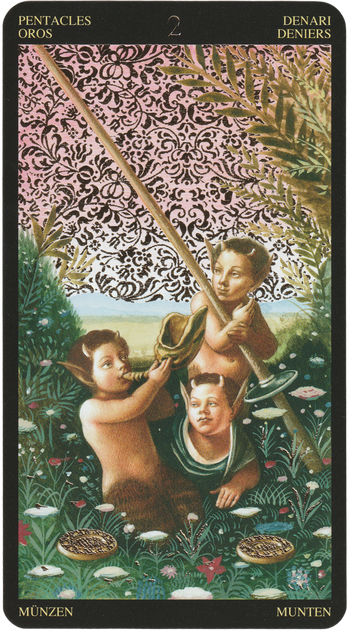
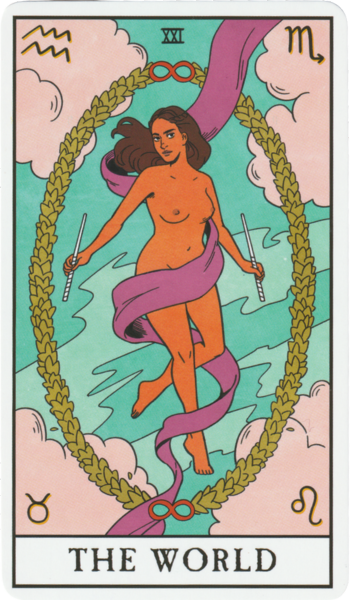
Created by Atanas Alexander Atanassov and published by tarot specialist Lo Scarabeo in 2007. Illustrations are in the style of Italian Renaissance artist, Botticelli, and are embossed with gold details that shimmer in the light. It's such a perfect match given the Rider-Waite design for The World references his Birth of Venus painting. Given the Renaissance source material, the imagery draws more from Christianity and classical Mythology.
Modern Witch Tarot
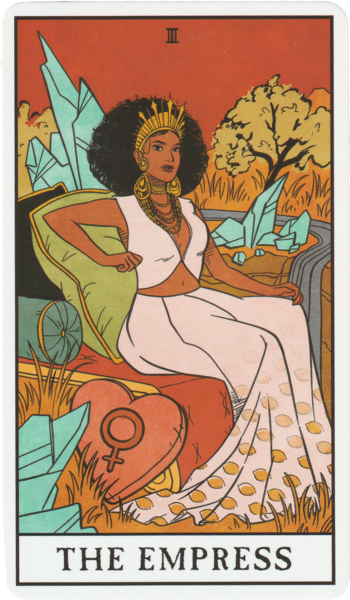
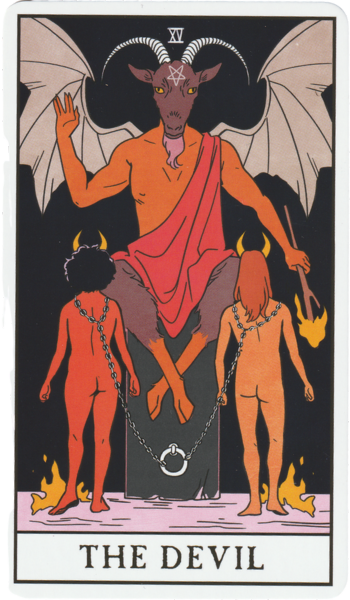
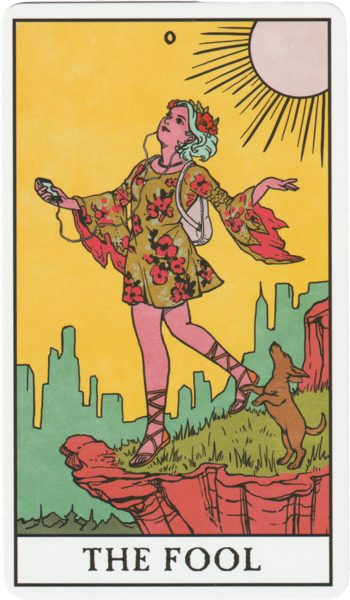
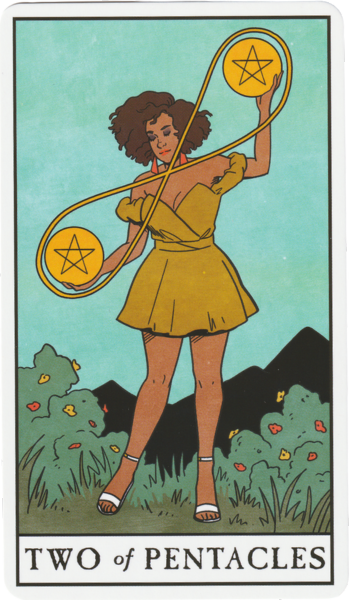
A very recent addition, published in 2019 with art by Lisa Sterle. The illustrations are heavily based on the Rider-Waite deck, but updated with modern-day references. The figures are all women and femmes - it is an ode to an expansive definition of womanhood that explicitly includes trans and non-binary iterations - and are beautifully diverse in bodies, races, and ages.